
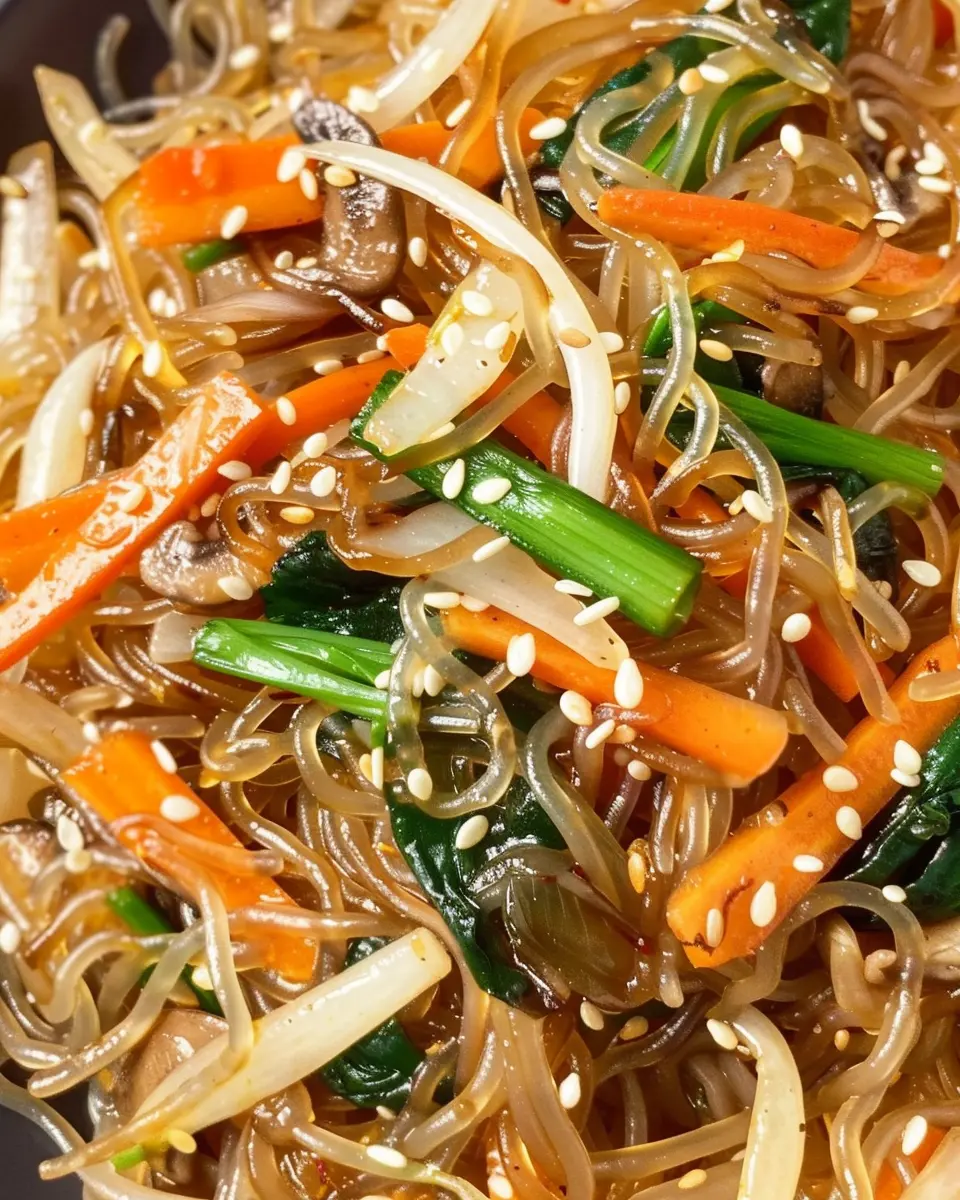
Introduction to Japchae
When it comes to quick, delicious, and wholesome meals, few dishes can rival Japchae. This traditional Korean dish featuring sweet potato glass noodles is not only vibrant and flavorful but also incredibly versatile. What’s more, it’s a cinch to prepare, making it the perfect homemade meal for busy young professionals like yourself.
Why Japchae is the Perfect Homemade Meal
Japchae offers an array of benefits that make it a standout choice for your weeknight dinner or a casual gathering. First, it’s packed with nutrients. The glass noodles made from sweet potatoes are gluten-free and high in carbohydrates, providing a healthy base for this dish. Combine that with a variety of colorful vegetables—like spinach, carrots, and bell peppers—and you’ve got a meal brimming with vitamins and minerals. For an extra protein boost, you can easily add ingredients like turkey bacon, chicken ham, or even beef.
Not only is Japchae delicious and nutritious, but it’s also highly adaptable. Whether you’re craving something hearty or light, you can customize the ingredients to suit your taste. In fact, you can find various interpretations from different regions—some even add fruits or nuts for an extra twist. Websites like My Korean Kitchen and Korean Bapsang provide fantastic variations and serve as great resources for discovering new flavors.
Making Japchae at home can also be a delightful way to unwind after a long day. Cooking can be a therapeutic activity—chopping vibrant veggies and stirring them in your wok can be quite satisfying. Plus, it’s a wonderful dish to prepare for friends or family, creating a communal atmosphere around the table.
With a little practice, you’ll be whipping up this Korean glass noodle stir fry in no time. We’re excited for you to explore this dish further and even experiment with your own variations. So grab your ingredients, and let’s dive into a culinary adventure that celebrates the art of home cooking!
Ingredients for Japchae
Key Ingredients for a Delicious Japchae
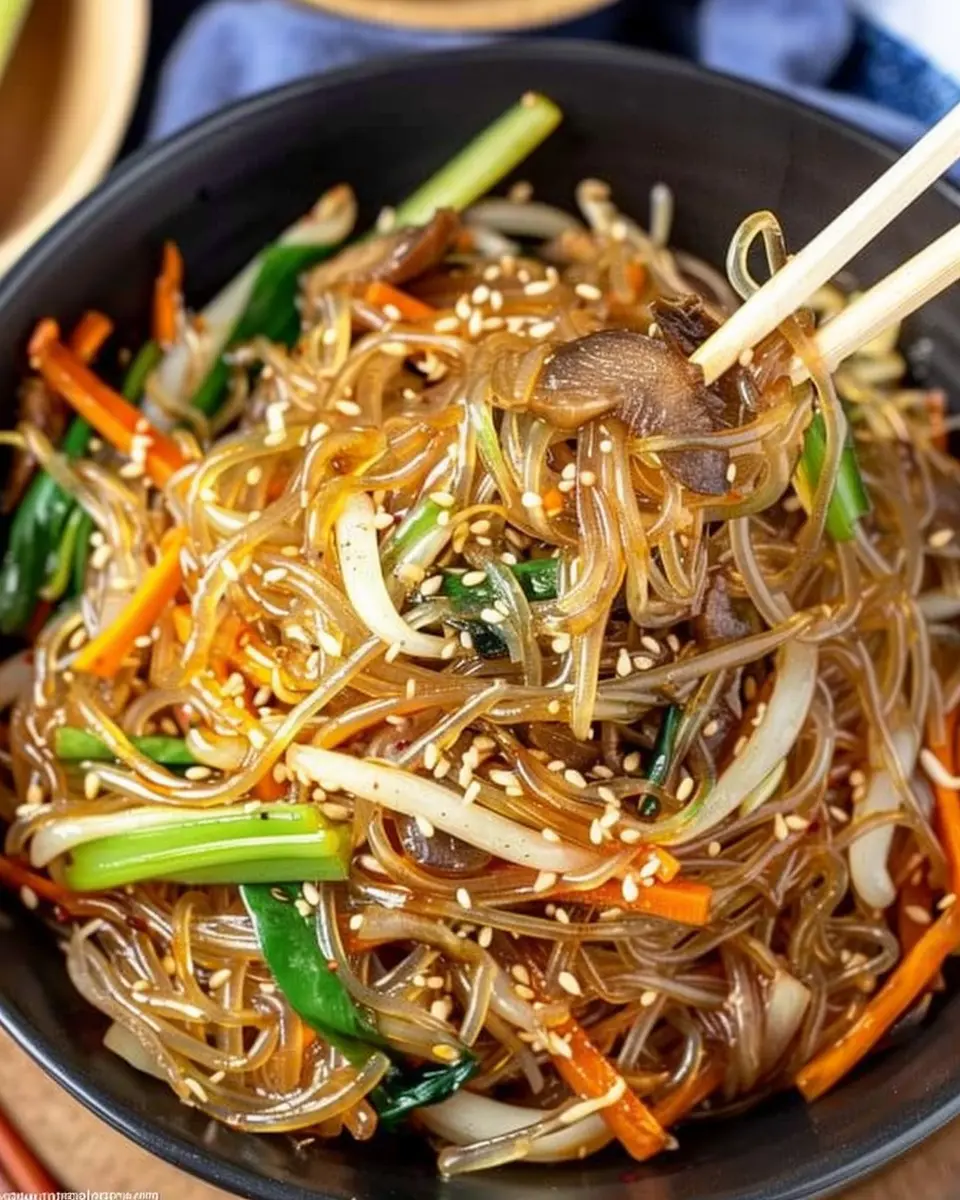
To whip up a traditional Japchae, you’ll need a handful of essential ingredients that come together to create a delightful symphony of flavors. Here’s what you’ll need:
- Sweet Potato Glass Noodles: These are the star of the dish, offering a chewy texture that soaks up flavors beautifully.
- Vegetables: Bell peppers, carrots, spinach, and mushrooms add vibrant color and nutrition. Feel free to pick your favorites!
- Protein: Chicken ham or turkey bacon works well to add some hearty substance.
- Soy Sauce and Sesame Oil: These provide that signature umami flavor and a nice finish.
Curious about the benefits of sweet potatoes? They’ve been linked to various health perks, making them a smart choice for nutritious meals.
Optional Ingredients for Customization
Want to make your Japchae uniquely yours? Here are some options you can consider:
- Tofu: A great substitute for those looking for a vegetarian option.
- Eggs: Adding a scrambled egg or two can introduce richness.
- Spices: A sprinkle of chili flakes can add a kick!
Feel free to experiment and find your perfect blend. Customization is key in making your dish both personal and delicious! For more ideas on healthy cooking, check out Healthline’s guide to healthy substitutions.
Preparing Japchae
If you’re ready to dive into the delicious world of Korean cuisine, Japchae is a fantastic dish to start with. This savory stir-fried noodle dish brings together the flavors of beef, fresh vegetables, and a delightful sauce. Here’s a simple guide to help you create your very own Japchae at home.
Make the Japchae Sauce
The foundation of Japchae lies in its sauce, which is both sweet and savory. Start by mixing these ingredients in a bowl:
- 3 tablespoons of soy sauce – gives that lovely umami flavor.
- 1 tablespoon of sesame oil – offers a nutty taste.
- 1 tablespoon of brown sugar – adds a subtle sweetness.
- 1 teaspoon of minced garlic – for that aromatic kick.
- 1 teaspoon of ground black pepper – to bring it all together.
Whisk these ingredients together until the sugar dissolves. Taste it and adjust if necessary. This sauce will be the heartbeat of your Japchae.
Cook the Sweet Potato Glass Noodles
Now for the star of the dish: sweet potato glass noodles. You can find these at most Asian grocery stores or online. To prepare them, follow these steps:
- Boil water in a pot.
- Add the noodles and cook for about 6-7 minutes until they turn tender yet slightly chewy.
- Drain and rinse under cold water to stop the cooking process.
- Toss the noodles with a bit of sesame oil to prevent sticking and set them aside.
Did you know that sweet potato noodles are a great source of carbohydrates and are gluten-free? Adding them to your diet can be a tasty alternative!
Create the Egg Crepe
An egg crepe adds a delightful texture to your Japchae. Here’s how to make it:
- Beat 3 eggs in a bowl and season with a pinch of salt.
- Heat a non-stick skillet over medium heat and pour in the egg mixture.
- Swirl the pan to cover the bottom evenly and cook until the edges lift easily.
- Flip and cook for an additional minute.
- Remove from heat, let it cool slightly, and cut into thin strips.
This egg crepe not only enhances the dish visually but also complements the flavors beautifully.
Cook the Beef
Next, let’s prepare the beef. You can use thinly sliced beef sirloin or any cut you prefer. Here’s a quick way to whip it up:
- In a pan over medium-high heat, add a little sesame oil.
- Once hot, add the sliced beef and cook until it’s browned and cooked through (about 4-5 minutes).
- Add a bit of salt and pepper for seasoning.
This step is crucial; the flavor from the beef melds with the other ingredients, creating a symphony of tastes.
Sauté the Vegetables
Now for the veggies! Feel free to customize this based on what’s in your fridge, but a classic mix includes:
- 1 cup of spinach
- 1 carrot, julienned
- 1 bell pepper, sliced
- 1 small onion, thinly sliced
- In the same skillet, add more sesame oil if needed.
- Sauté the vegetables over medium heat until they are tender yet still vibrant (about 4-5 minutes).
These veggies are packed with nutrients and add a pop of color to your Japchae.
Assemble the Japchae
This is where the magic happens! In a large mixing bowl, combine the cooked glass noodles, beef, sautéed vegetables, and the Japchae sauce. Stir everything together gently until well coated.
Finally, top with the egg crepe strips and you’re ready to enjoy your homemade Japchae. It’s perfect for meal prep or impressing friends at dinner parties!
Enjoy the process
Cooking Japchae is not just a recipe; it’s an experience. Remember to savor each step and maybe even play some fun music to make it a little eventful.
If you’re looking for more information on the health benefits of sweet potatoes, consider checking out articles from reputable health sites. Happy cooking!
Variations on Japchae
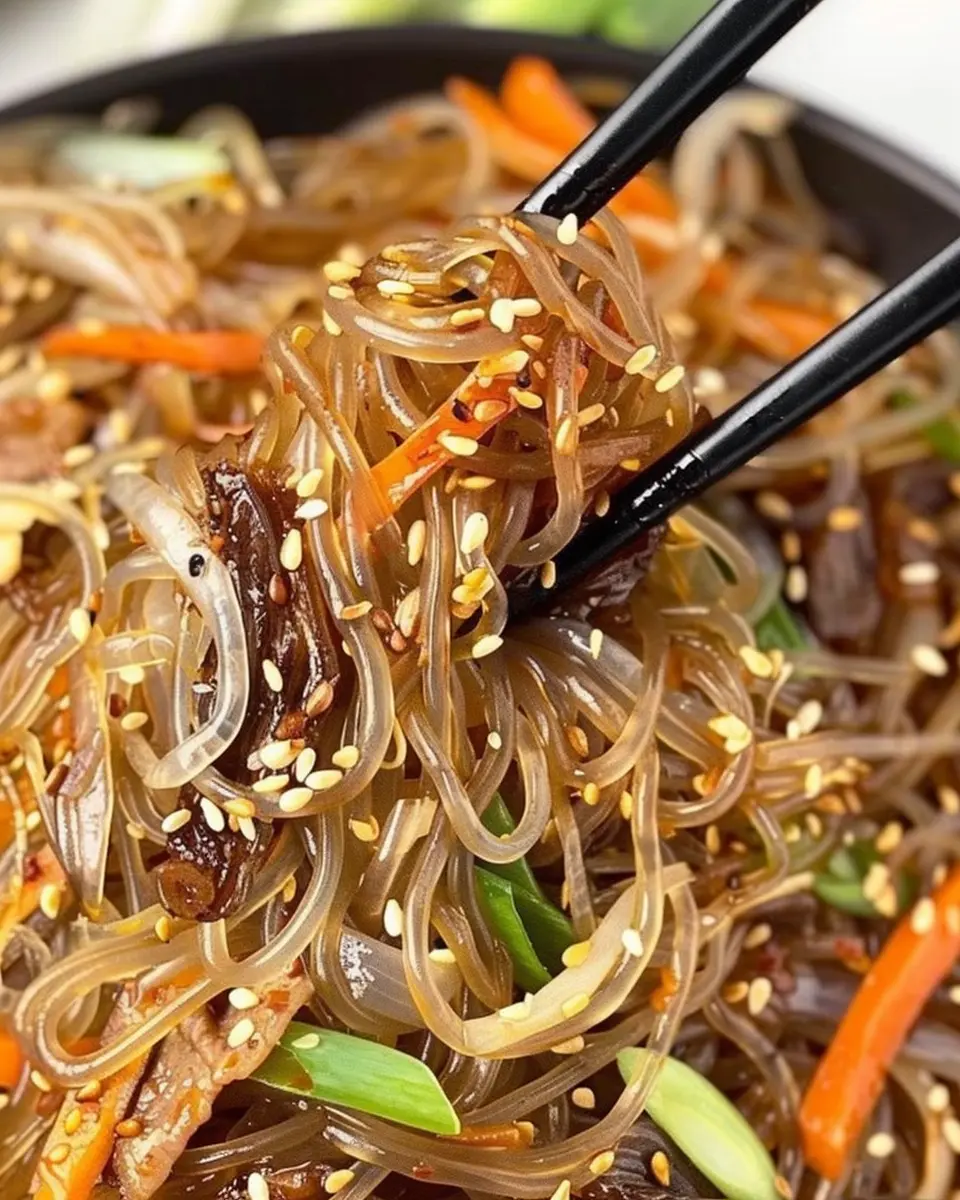
When it comes to Japchae, don’t feel tied down to a single recipe! There are countless delicious ways to experiment with this beloved Korean classic.
Vegetarian Japchae Options
For those who prefer a meat-free lifestyle, transforming Japchae into a vegetarian dish is easy and satisfying. Start by replacing traditional proteins with hearty vegetables like:
- Carrots: Thinly sliced for sweetness.
- Broccoli: Adds a nice crunch and vibrant color.
- Spinach: A classic addition that brings a nutritious twist.
- Tofu: Stir-fried until golden, it absorbs the flavors beautifully.
These ingredients not only offer a spectrum of textures but also boost the nutritional profile of the dish. You might want to check out the variety of vegetarian options available at Korean Culinary Inspirations for more ideas.
Flavorful Additions Like Mushrooms and Peppers
Why stop at basic veggies? Elevate your Japchae with flavorful additions such as:
- Mushrooms: Varieties like shiitake or oyster provide umami goodness. They soak up the sauce wonderfully, giving depth to the dish.
- Bell Peppers: Packed with vitamins, these colorful beauties add both sweetness and crunch.
- Onions: Caramelized onions enhance the overall flavor, creating a delightful aroma.
Feel free to mix and match these ingredients according to what’s in your pantry or your personal favorites. Not only will you have a Japchae that’s unique to your taste, but you’ll also impress friends and family with your culinary creativity!
Have you tried customizing your Japchae yet? It might just become your new go-to recipe.
Cooking notes and tips for Japchae
Common mistakes to avoid
When preparing Japchae, it’s easy to make a few blunders that can impact the dish’s texture and flavor. One common mistake is overcooking the sweet potato noodles. These noodles should be chewy but not mushy, so be sure to follow the package instructions closely. Additionally, avoid overcrowding your pan when stir-frying the vegetables; this can lead to steaming instead of that coveted caramelized flavor. Finally, be cautious with your soy sauce—too much can overwhelm the dish.
Best practices for noodle cooking
For perfect Japchae, start by soaking the sweet potato noodles in warm water for about 30 minutes before cooking. This helps soften them without boiling, preserving that desirable chew. When ready, boil them for only a few minutes; they should be al dente. Rinse them under cold water to stop the cooking process, which will keep them from sticking together. Always toss the noodles in a touch of sesame oil for extra flavor and to keep them from clumping.
For more culinary guidance, check out Serious Eats for detailed techniques!
Serving suggestions for Japchae
Pairing with Traditional Korean Dishes
When enjoying Japchae, you might consider pairing it with other traditional Korean dishes for a truly authentic experience. Think about serving it alongside:
- Kimchi: The tangy crunch of kimchi complements the sweetness of Japchae beautifully. It’s a staple that can elevate your meal.
- Korean BBQ: If you have grilled turkey bacon or chicken ham on the side, the rich flavors combine effortlessly with the smoky, savory notes.
- Rice and Soup: A simple bowl of steamed rice or a comforting Korean soup can round out your meal perfectly, making it filling and satisfying.
To dive deeper into Korean culinary traditions, check out this comprehensive guide on Korean cuisine.
Creative Serving Styles for Social Gatherings
Hosting friends? Presenting Japchae can be both functional and visually appealing. Try these ideas:
-
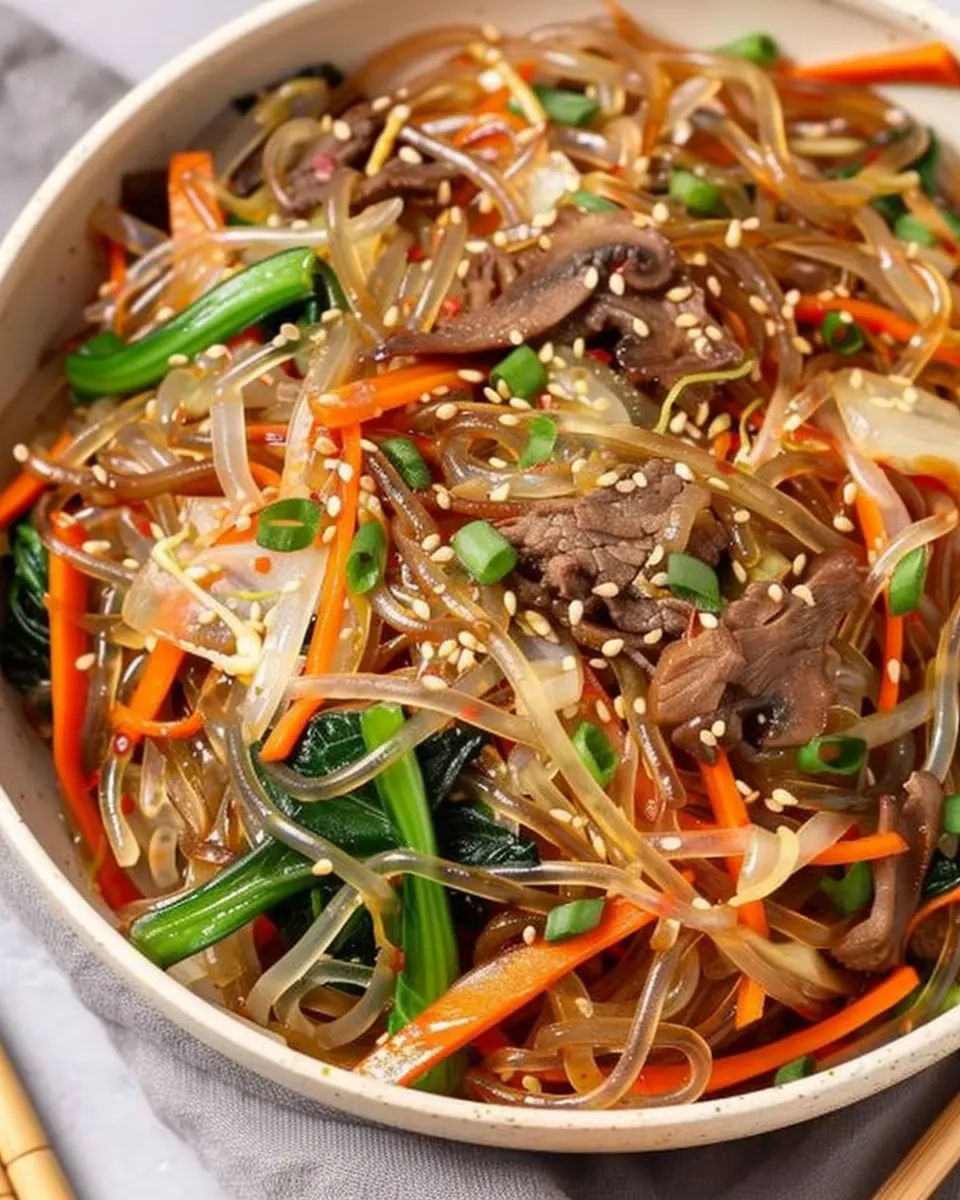
Individual Bowls: Serve Japchae in small bowls with a garnish of sesame seeds and green onions. This adds a personal touch and makes it easy for guests to grab their servings.
-
Skewers: For a fun twist, thread Japchae onto skewers with grilled vegetables or turkey bacon pieces for a delightful finger food option.
-
Cold Version: Serve Japchae chilled as a refreshing salad. Perfect for warm weather, toss it in a light sesame dressing.
These serving suggestions not only enhance the dining experience but also spark conversation among your guests. What’s your favorite way to enjoy Japchae? Let us know!
Time breakdown for Japchae
Preparation time
Making Japchae is a delightful experience, and you’ll need around 30 minutes to gather and prep all your ingredients. This is your time to chop veggies, slice your Turkey Bacon or Chicken Ham, and soak the glass noodles. Having everything ready will make the cooking process more enjoyable!
Cooking time
Once you’ve prepped, the actual cooking will take about 20 minutes. You’ll stir-fry the veggies and proteins, allowing the flavors to meld beautifully. The noodles will only require a quick toss to heat through and absorb those savory flavors.
Total time
In total, you’re looking at about 50 minutes from start to finish. This makes Japchae a fantastic weeknight option for busy young professionals. Plus, it’s perfect for meal prep or serving at gatherings! For tips on the best ingredients, check out this guide to Korean spices. Enjoy your cooking!
Nutritional facts for Japchae
Calories and macronutrient breakdown
When you indulge in a bowl of Japchae, you’re enjoying a stir-fry that typically contains around 150-200 calories per serving, depending on the portion size and ingredients used. This delicious dish provides a balanced macronutrient profile:
- Carbohydrates: Approximately 30-35g, primarily from sweet potato noodles
- Protein: Roughly 5-8g, enhanced by the addition of proteins like Turkey Bacon or Chicken Ham
- Fats: About 5-10g, much of which comes from the sesame oil used in stir-frying
For a deeper dive into the importance of these macronutrients, you can check out sources like the USDA FoodData Central for specific ingredient contributions.
Vitamins and minerals content
Japchae is not just tasty—it’s also packed with essential vitamins and minerals! The colorful vegetables used in this dish, such as bell peppers, spinach, and carrots, contribute a wealth of nutrients:
- Vitamin A: Supports eye health and immune function
- Vitamin C: Important for skin health and immunity
- Iron: Vital for oxygen transport in the body
Incorporating Japchae into your meal prep can be an enjoyable way to boost your nutrient intake! Curious about how to maximize nutrient absorption? Check out Healthline’s insights on nutrition.
So, whether you’re looking for a quick weeknight dinner or a show-stopping dish for your friends, Japchae offers not just flavor, but a great nutritional profile that fits perfectly into a balanced diet!
FAQs about Japchae
Can I make Japchae ahead of time?
Absolutely! In fact, making Japchae ahead of time can enhance the flavors. Just prepare the dish as usual, let it cool, and store it in an airtight container in the refrigerator. When you’re ready to enjoy it, simply reheat in a pan over low heat. For best results, you might want to add a splash of soy sauce or sesame oil to refresh the flavors. If you’re hosting a party or have a busy week ahead, this method is a lifesaver.
What can I substitute for sweet potato noodles?
If you can’t find sweet potato noodles, don’t fret! You can use alternatives such as rice noodles, vermicelli, or even whole grain spaghetti for a different twist. However, these options will provide a slightly different texture and taste. If you’re seeking a gluten-free version, check out this guide on gluten-free noodle options.
How do I store leftover Japchae?
Storing leftover Japchae is easy! Keep it in an airtight container for up to three days in the fridge. When reheating, you might notice the noodles have absorbed some moisture. Adding a teaspoon of water or a drizzle of oil before warming it up can help restore the original consistency. It’s a fabulous meal-prep option that reduces waste while keeping your meals exciting.
Have more questions about Japchae? Feel free to ask or share your cooking tips in the comments!
Conclusion on Japchae
Embracing homemade meals with Japchae
Creating Japchae at home is more than just a cooking project; it’s an opportunity to embrace flavors that are both exciting and comforting. With its unique blend of sweet potato noodles, fresh veggies, and your choice of proteins like chicken ham or turkey bacon, Japchae is the perfect dish for both weeknight dinners and special occasions.
Consider customizing your recipe to reflect your taste preferences—add more veggies, switch proteins, and adjust the seasonings. This versatility not only makes Japchae a go-to dish but also a canvas for your culinary creativity. So why not gather some ingredients, share a meal with loved ones, and enjoy the magic of homemade Japchae? For more insights on Korean cuisine, visit the Korean Bapsang for authentic recipes and tips.
PrintJapchae: Easy Korean Glass Noodle Stir Fry with Turkey Bacon and Chicken Ham

A delicious and easy-to-make Japchae recipe featuring turkey bacon and chicken ham.
- Prep Time: 15 minutes
- Cook Time: 15 minutes
- Total Time: 30 minutes
- Yield: 4 servings 1x
- Category: Main Dish
- Method: Stir Fry
- Cuisine: Korean
- Diet: Gluten-Free
Ingredients
- 8 ounces Korean glass noodles
- 2 tablespoons vegetable oil
- 4 ounces turkey bacon, chopped
- 4 ounces chicken ham, sliced
- 1 onion, sliced
- 1 carrot, julienned
- 2 green onions, chopped
- 2 tablespoons soy sauce
- 1 tablespoon sesame oil
- 1 tablespoon sugar
Instructions
- Soak the glass noodles in warm water for about 30 minutes or until soft.
- In a large pan, heat vegetable oil over medium heat and fry the turkey bacon until crispy.
- Add the chicken ham, onion, and carrot to the pan and sauté until the vegetables are soft.
- Drain the noodles and add them to the pan, mixing well.
- Add soy sauce, sesame oil, and sugar. Stir-fry everything together for a few minutes.
- Finally, mix in the green onions and cook for an additional minute.
Notes
- Feel free to add other vegetables like bell peppers or mushrooms based on your preference.
- This dish can be served hot or at room temperature.
Nutrition
- Serving Size: 1 plate
- Calories: 450
- Sugar: 5 g
- Sodium: 700 mg
- Fat: 20 g
- Saturated Fat: 4 g
- Unsaturated Fat: 15 g
- Trans Fat: 0 g
- Carbohydrates: 60 g
- Fiber: 3 g
- Protein: 25 g
- Cholesterol: 40 mg
Keywords: Japchae, Korean glass noodles, stir fry, turkey bacon, chicken ham