Introduction to Korean Beef Bulgogi Recipe
When you think of Korean cuisine, chances are the mouthwatering aroma of grilled meat comes to mind. That’s where bulgogi shines—it’s not just a dish; it’s a beloved staple in Korea that holds deep cultural significance. Translating to “fire meat,” bulgogi traditionally features thinly sliced marinated beef, which is grilled or stir-fried, embodying the heart of Korean barbecue culture. It’s commonly served with a side of rice, fresh vegetables, and perhaps some kimchi, making it a well-rounded meal bursting with flavors.
What is Bulgogi and Its Cultural Significance?
Bulgogi dates back to the Goguryeo era (37 BC – 668 AD) and reflects Korea’s agricultural roots and communal dining customs. It’s more than just food—it’s about sharing moments over a grill with family and friends, creating a sense of togetherness. According to various culinary experts, this dish showcases the delicate balance of sweet and savory flavors that characterize many traditional Korean foods, offering an authentic taste of Korea that has transcended borders.
In the modern world, many young professionals are discovering the joys of cooking Korean Beef Bulgogi at home. The convenience of easily accessible ingredients and the simplicity of the recipe cater perfectly to busy lifestyles. A satisfying meal doesn’t have to be complicated; this dish proves just that. Who wouldn’t want to unwind after a long day with a plate of succulent beef cooked to perfection?
Reflecting on my own cooking experiences, I remember the first time I attempted to make bulgogi. The excitement of marinating the beef and watching it sizzle on the grill while filling my kitchen with that irresistible scent was unforgettable. If you’re curious about how to replicate that experience at home, you’re in the right place.
By adapting the traditional recipe for today’s kitchen, you can create a family favorite that echoes those comforting cultural roots. Ready to dive into the Korean Beef Bulgogi Recipe? Your taste buds are in for a treat!
For more insights into Korean cooking, check out resources from the Korean Food Foundation, and discover the unique flavors of this vibrant culinary culture.
Ingredients for Korean Beef Bulgogi Recipe
Essential ingredients for the marinade
To achieve the distinctively savory and slightly sweet flavor of Korean Beef Bulgogi, your marinade is key. Here’s what you’ll need:
- Soy sauce: The base of your marinade that adds umami.
- Sugar: Brown sugar or honey works great for sweetness.
- Sesame oil: Adds a nutty flavor, elevating the dish.
- Garlic: Freshly minced for that aromatic kick.
- Green onions: Chopped for garnish and flavor.
- Ginger: Grated fresh ginger gives a zingy edge.
- Pepper: A dash of black pepper to balance the sweetness.
Beef selection: Ribeye vs. Sirloin
When it comes to the beef, choosing the right cut is crucial for your Korean Beef Bulgogi Recipe.
- Ribeye: Known for its marbling and tenderness, ribeye imparts a rich flavor, making it a favorite for bulgogi lovers.
- Sirloin: A leaner option with less fat than ribeye, it’s still delicious and can be more budget-friendly.
Both cuts work wonderfully, but if you’re after that melt-in-your-mouth texture, ribeye is hard to beat. For more about choosing beef cuts, check out this guide. Happy cooking!
Preparing Korean Beef Bulgogi Recipe
When it comes to cooking, there’s nothing quite like the delightful flavors of traditional Korean cuisine, and Korean Beef Bulgogi is a dish that embodies that essence perfectly. Imagine tender marinated beef sizzling on a hot grill, with sweet and savory notes filling the air. Ready to dive in? Let’s break down this recipe step-by-step to ensure you triumph in your culinary adventure.
Step 1: Prepare the Beef
First things first, you’ll want to select the right cut of beef for your Korean Beef Bulgogi Recipe. Opt for flank steak, sirloin, or ribeye. These cuts are tender, flavorful, and ideal for quick cooking methods. Start by thinly slicing the beef against the grain. The finer the slices, the more tender your final dish will be. For ultimate ease, you can freeze the beef for about 30 minutes before slicing—it makes the process much smoother!
Step 2: Make the Marinade
Now that your beef is prepped, it’s time to whip up your marinade. This is key to achieving that rich, deep flavor. In a mixing bowl, combine the following ingredients:
- 1/2 cup soy sauce (for the umami kick)
- 1/4 cup brown sugar (for sweetness)
- 2 tablespoons sesame oil (adds a nutty flavor)
- 4 cloves minced garlic (a flavor powerhouse)
- 1 tablespoon grated ginger (for a zesty touch)
- 2 tablespoons green onion (finely sliced)
- 1 teaspoon black pepper
Mix everything until the sugar dissolves. The marinade achieves a balance that really enhances the flavors of the beef. If you’re curious about the versatility of this marinade, consider checking out some other Korean dishes that use similar flavors, like Korean fried chicken or kimchi stew.
Step 3: Marinate the Beef
Once the marinade is ready, add your sliced beef to the bowl and make sure each piece is well-coated. For optimal flavor absorption, let the beef marinate in the refrigerator for at least one hour—overnight is even better. This time allows the marinade to permeate the meat, giving you that silky texture and deep taste that Korean Beef Bulgogi is celebrated for.
Step 4: Prepare the Vegetables
While your beef is marinating, take a moment to prepare some fresh vegetables. Classic additions include:
- Sliced bell peppers
- Onions (sweet onions work particularly well)
- Zucchini
- Mushrooms
These colorful veggies not only add texture but also enhance the nutritional profile of your dish. You could even incorporate some leafy greens like spinach for an extra nutrient boost!
Step 5: Cook the Bulgogi
When it’s time to cook, heat a non-stick skillet or grill pan over medium-high heat. Add a splash of oil to the pan. Once hot, add your marinated beef, shaking off excess marinade before placing it into the skillet. Cook for about 2-3 minutes on each side until browned and cooked through. Ensure the pan isn’t overcrowded—you want that gorgeous sear!
Step 6: Sauté the Vegetables
After the beef is cooked, it’s time to sauté your prepared vegetables in the same skillet. The residual flavors from the beef will infuse into the veggies, making them irresistibly tasty. Sauté for 3-5 minutes until they have softened but still retain some crunch.
Step 7: Serve the Dish
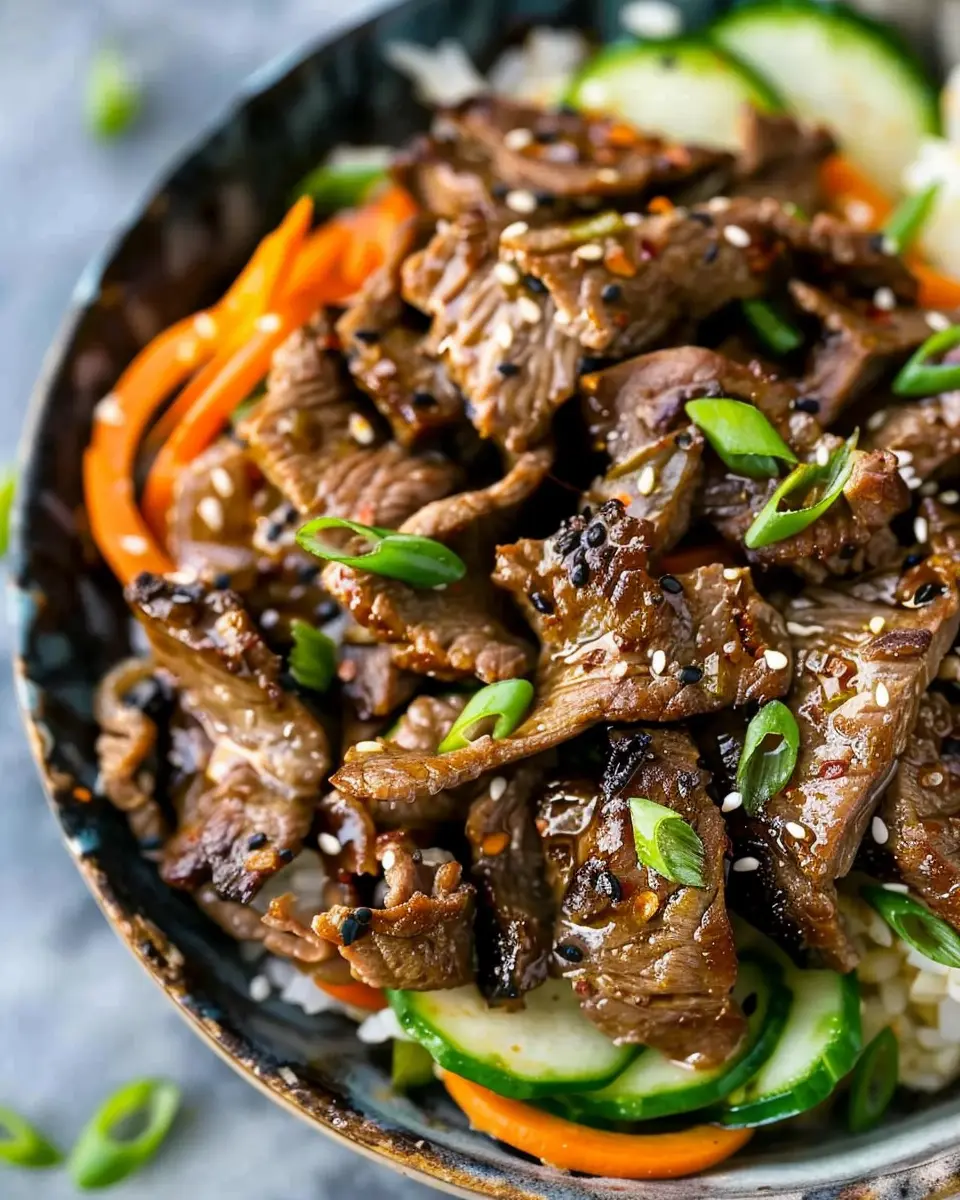
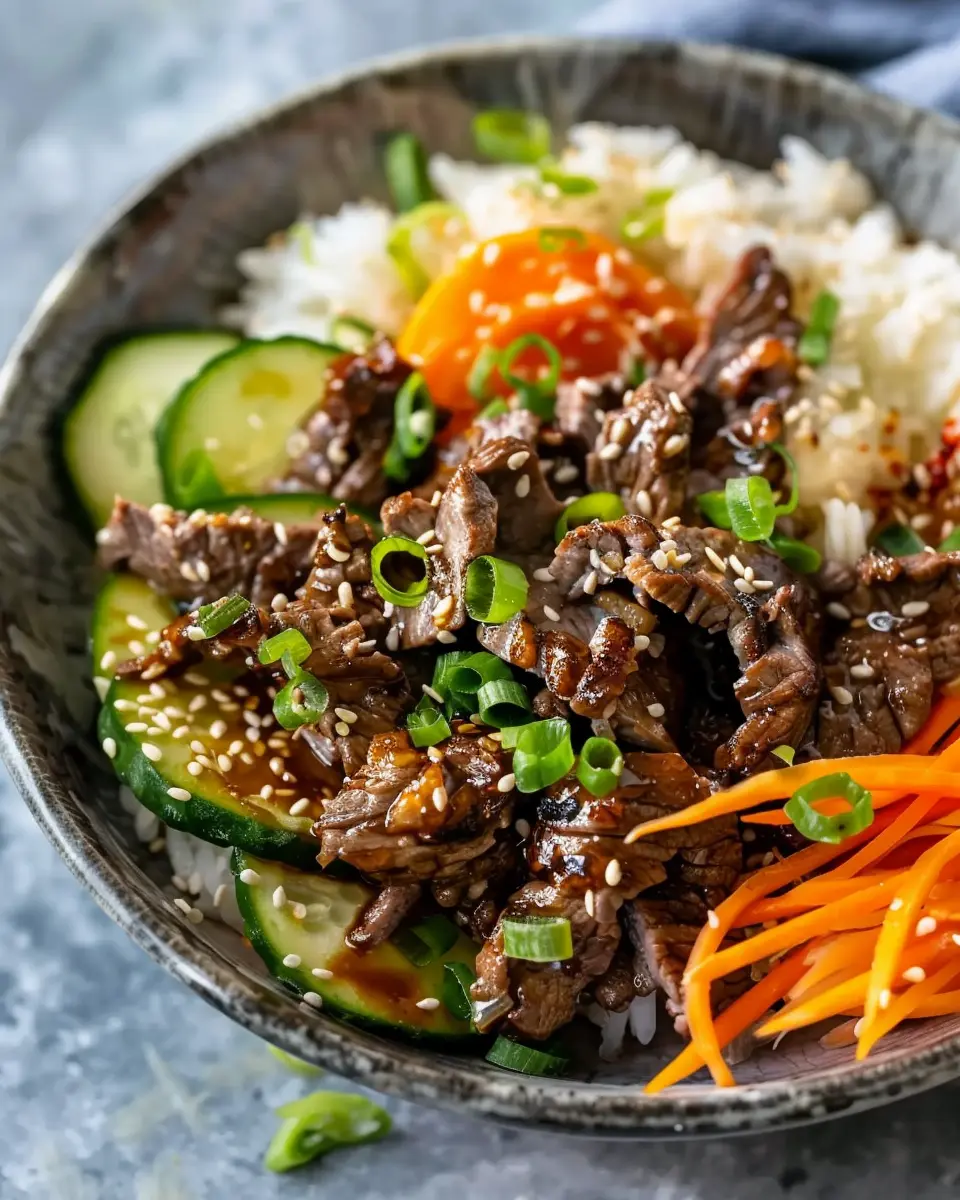
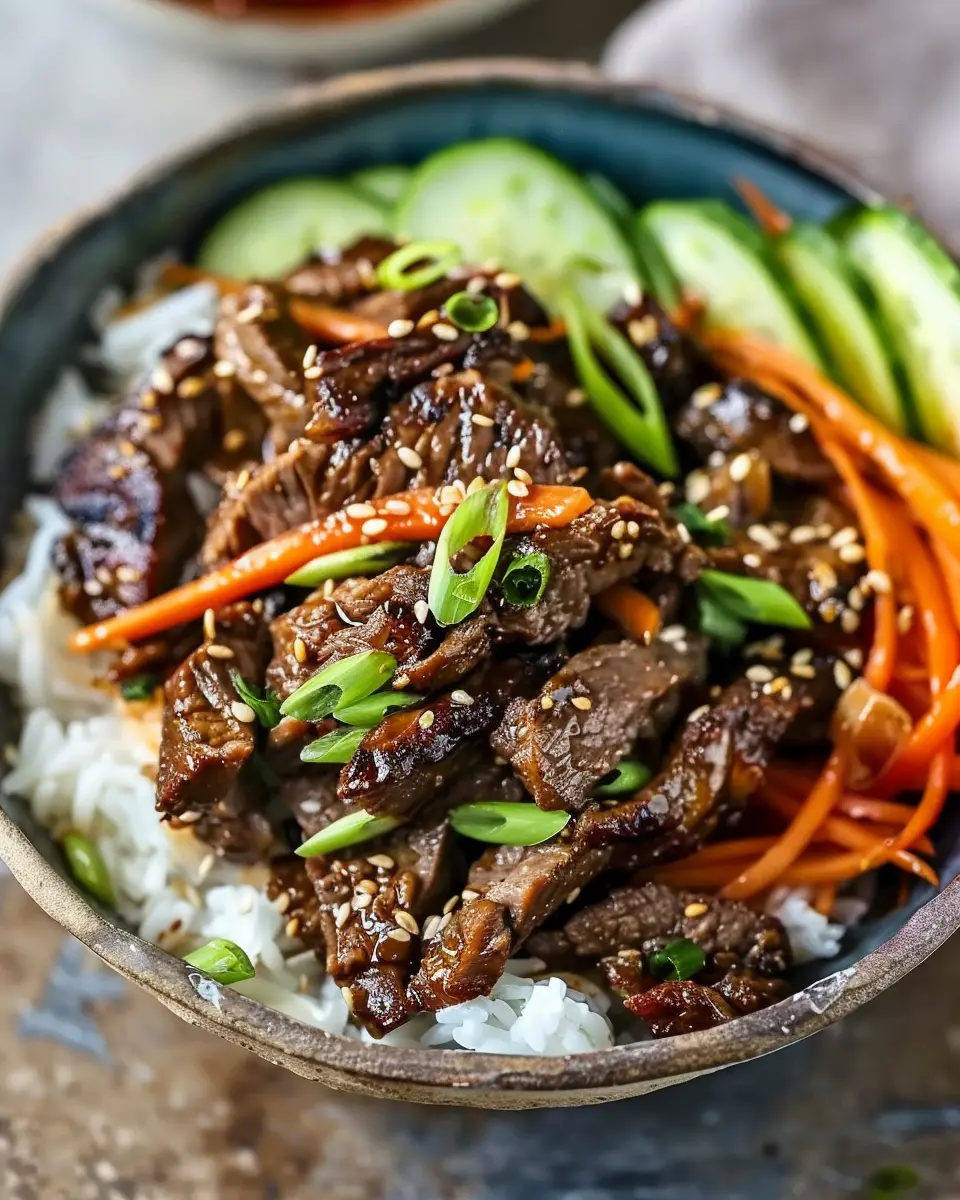
There you have it! When plating, feel free to create a vibrant spread. Serve the Korean Beef Bulgogi with warm, cooked rice, and perhaps some lettuce leaves for wrapping, along with a side of kimchi. The combination of flavors will surely impress. For those at home looking for a simple way to enjoy authentic Korean dishes, this is a fantastic option to try!
Enjoy your meal and the delightful process of cooking; remember that every step, from slicing the beef to serving it, is part of the delicious experience that is Korean Beef Bulgogi.
Variations on Korean Beef Bulgogi Recipe
One of the great things about Korean beef bulgogi is its versatility. If you’re looking to explore different flavors and options, you’re in luck! Here are some delicious variations that keep the spirit of this classic dish while catering to various dietary preferences.
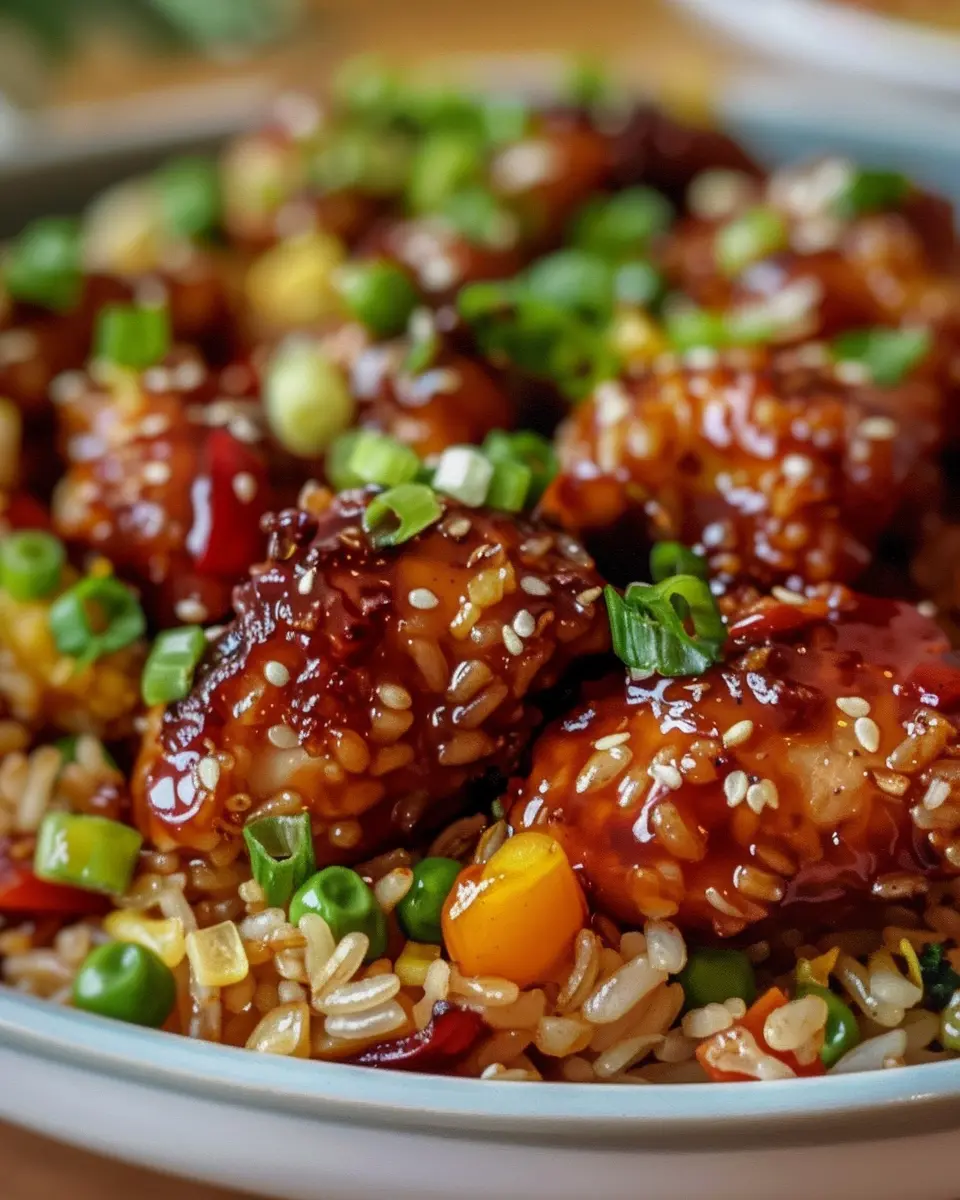
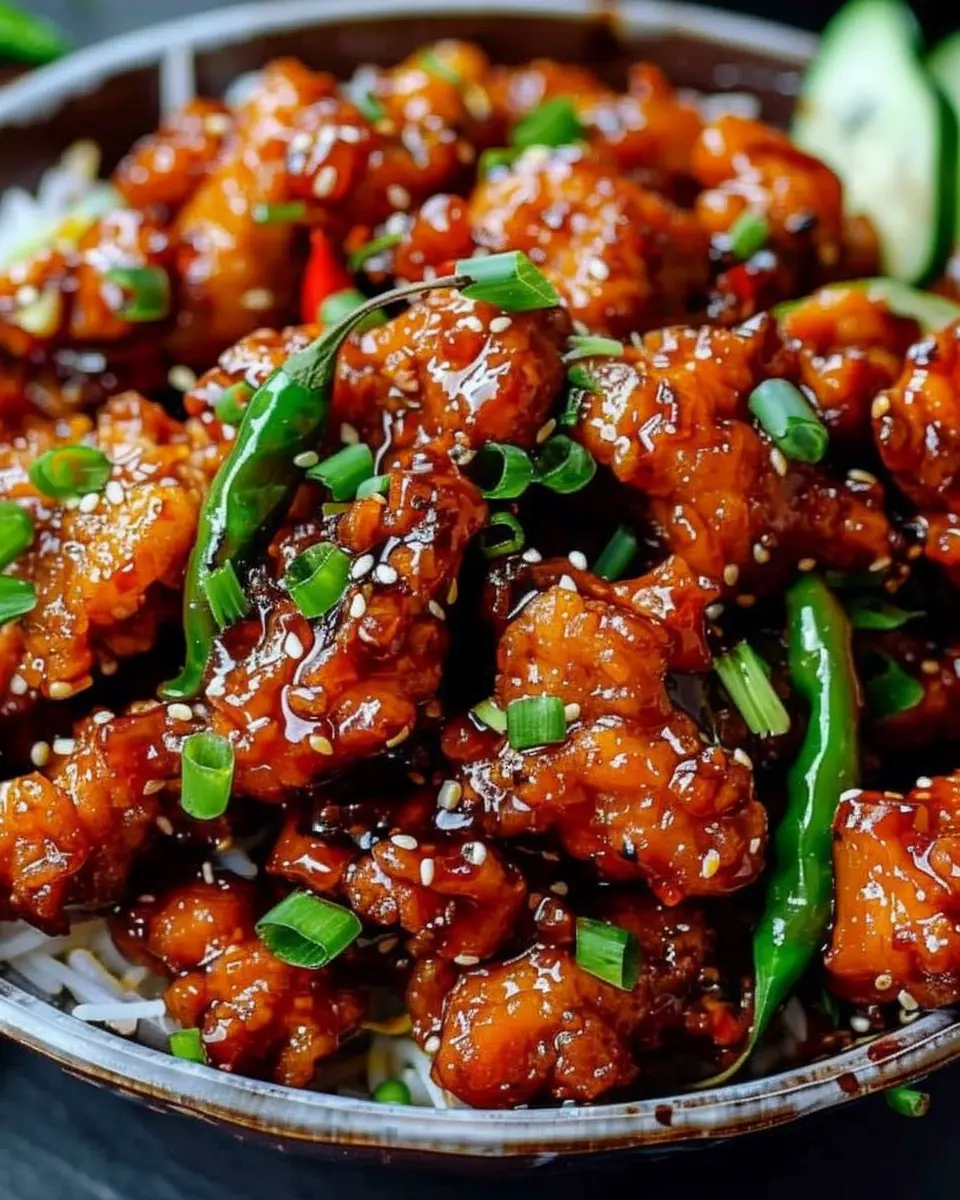
Chicken Bulgogi
If you want a lighter version, consider using chicken instead of beef. Chicken bulgogi packs the same juicy flavor with a twist. Simply replace beef with thinly sliced boneless chicken thighs and marinate them in the same mixture of soy sauce, sugar, garlic, and sesame oil.
- Quick Cooking Tip: Chicken cooks faster than beef, so keep an eye on it to prevent dryness. Grill or stir-fry until charred and golden for the best results.
You can find some great chicken bulgogi recipes to enhance this option at Korean Bapsang.
Vegetarian Bulgogi Options
For those living a vegetarian lifestyle, bulgogi can still be a star on your table! Try using tofu or mushrooms, like shiitake, as your base. Marinating these in the usual bulgogi sauce infuses them with that signature sweet and savory kick.
- Tip: Use a hearty vegetable like portobello mushrooms for a rich texture that mimics beef quite well.
For a twist, consider adding vegetables such as bell peppers, onions, and zucchini to your vegetarian bulgogi mix. This approach not only adds texture but also offers a colorful and nutritious plate.
Curious about how to whip up a fantastic vegetarian bulgogi? Sites like Minimalist Baker feature helpful guides to get you started.
By exploring these variations, you can enjoy the essence of Korean beef bulgogi no matter your dietary preferences!
Cooking notes for Korean Beef Bulgogi Recipe
Tips for achieving the perfect marination
To create the perfect Korean Beef Bulgogi, focus on your marination. Use a good quality soy sauce and let the beef marinate for at least 30 minutes, though longer is better—ideally up to 4 hours or overnight in the fridge. This allows the flavors to penetrate deeply. Consider adding a splash of apple or pear juice for natural sweetness, which complements the savory soy beautifully. For a bit of heat, don’t hesitate to include a touch of gochujang (Korean chili paste).
Honey butter twist explained
If you’re looking to elevate your Korean Beef Bulgogi recipe, try incorporating a honey butter glaze at the end. Simply melt some butter and mix in honey, brushing it over the cooked beef just before serving. This creates a beautiful glaze that not only adds richness but also a subtle sweetness, making it even more irresistible. It’s a delightful twist on the classic that your taste buds will thank you for!
For more tips and variations, check out Serious Eats or Food52.
Serving suggestions for Korean Beef Bulgogi Recipe
When you whip up a delicious Korean Beef Bulgogi Recipe, it’s all about how you serve it. The right sides and presentation can elevate your dish from great to unforgettable. Let’s dive into some fantastic serving suggestions!
Ideal side dishes to accompany bulgogi
Pair your bulgogi with classic Korean sides for a balanced meal. Here are a few mouthwatering options:
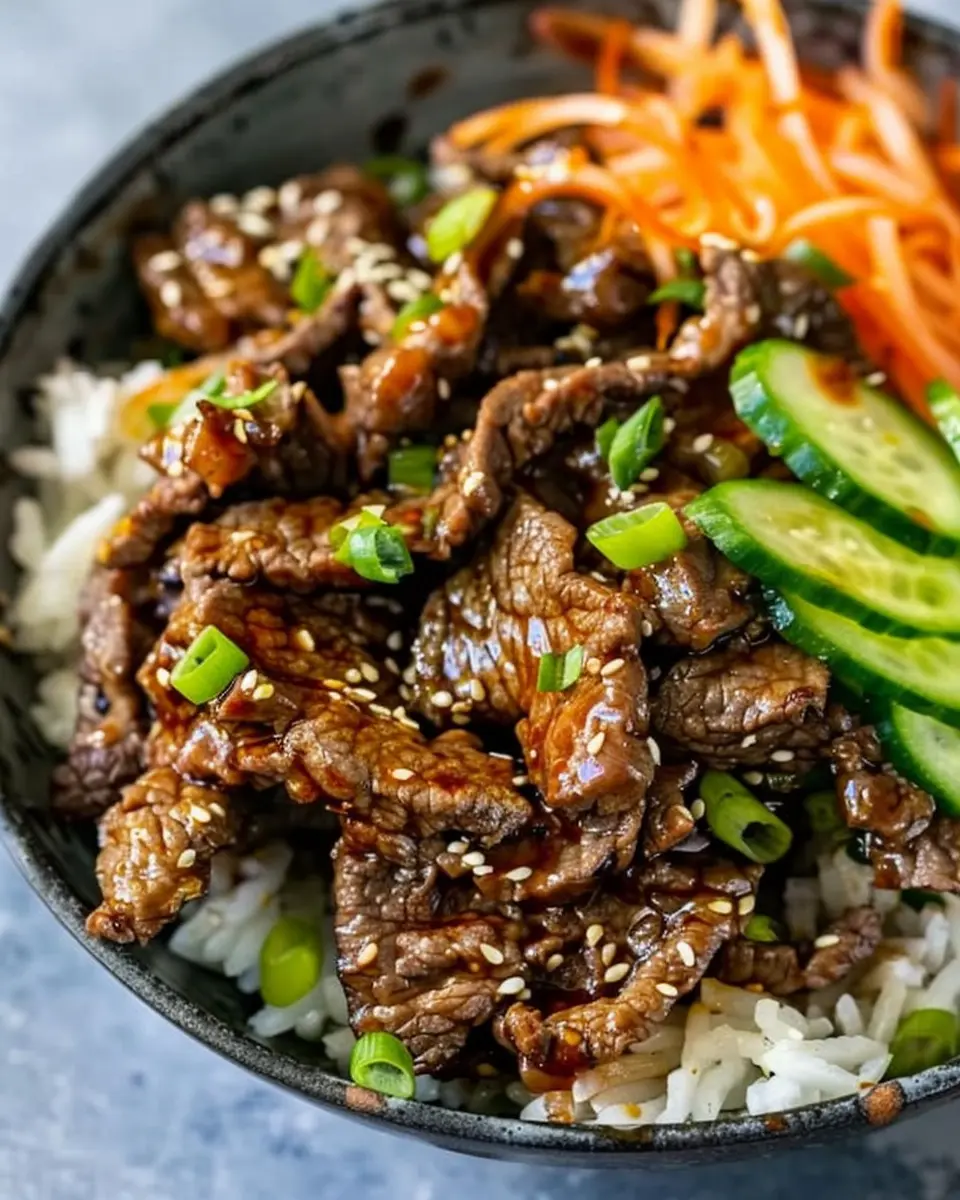
- Steamed rice: A great foundation to soak up all that savory goodness.
- Kimchi: This fermented delight adds a spicy kick and complements the sweet flavors of bulgogi beautifully.
- Korean pickles: The tanginess offers a refreshing contrast.
- Stir-fried vegetables: Think broccoli, carrots, and bell peppers for added color and nutrition.
Creative serving ideas
Why not get a little adventurous with how you serve your bulgogi?
- Wraps: Use large lettuce leaves to make fresh wraps, adding a bit of sesame oil for flavor.
- Bowl meals: Layer bulgogi over rice and top with sliced avocado, cucumber, and drizzle with a soy dipping sauce for a cozy bowl.
- Tacos: Yes, you heard that right! Use bulgogi as a filling in soft tortillas for a fun twist.
These serving ideas not only enhance the dining experience but also bring variety and excitement to your meals! For more inspiration, check out sources like Serious Eats or Korean Bapsang.
Time Breakdown for Korean Beef Bulgogi Recipe
Planning your day around cooking can be a breeze! Here’s a quick overview of the time you’ll need to whip up this incredible Korean Beef Bulgogi Recipe.
Preparation Time
Getting everything ready takes about 15 minutes. This includes slicing your beef and gathering all ingredients, so you’ll be organized and ready to cook.
Marination Time
Patience is key here! Allow the beef to marinate for at least 30 minutes, though for deeper flavors, aim for several hours or even overnight.
Cooking Time
You’re just about 10 minutes away from flavor town! Cooking the beef in a hot skillet is quick—about 5-7 minutes will do.
Total Time
In total, you’re looking at around 55 minutes to 1 hour, depending on your marination choice. A small investment for a meal that will impress friends and family alike!
For more tips, check out resources like Serious Eats for deep dives into marinating and meat preparation techniques!
Nutritional Facts for Korean Beef Bulgogi Recipe
When indulging in a Korean Beef Bulgogi Recipe, it’s important to know what’s on your plate. This savory dish is not just delicious but also packed with nutrients!
Calories
A serving of Korean Beef Bulgogi typically contains approximately 250-300 calories, depending on the ingredients used and portion size. This makes it a relatively lean option for a flavorful meal.
Protein
You can expect a hearty serving of protein from this dish, with about 20-25 grams per portion. The beef not only provides essential amino acids but also contributes to muscle growth and repair.
Fat Content
In terms of fat, you’re looking at roughly 8-12 grams per serving. The majority of this fat comes from the beef, but it’s primarily unsaturated, which is better for heart health. To explore more about healthy fats, check out Harvard Health’s guide.
Embracing this dish is a delightful way to nourish your body without sacrificing flavor!
FAQs about Korean Beef Bulgogi Recipe
Can I use other meats?
Absolutely! While the classic Korean Beef Bulgogi Recipe calls for tender cuts of beef, like ribeye or sirloin, you can easily substitute other proteins. Chicken, turkey, or even tofu can work as great alternatives. If you choose chicken, opt for thighs for juiciness. Just keep in mind that cooking times may vary, so monitor your meats to ensure they’re cooked through without drying out.
How long can I store marinated beef?
Marinated beef can be a real time-saver! You can store it in the refrigerator for up to 3-4 days. Just make sure to keep it in an airtight container to preserve the flavors. If you’re looking to store it longer, consider freezing the marinated beef. It can last up to 3 months in the freezer, and when you’re ready to cook, just thaw it overnight in the refrigerator.
Is bulgogi spicy?
Not really! The traditional bulgogi is known for its sweet and savory flavor profile rather than heat. The marinade, enriched with soy sauce and sugar, provides a delightful glaze. If you prefer a bit of heat, feel free to add some gochujang (Korean red chili paste) or sliced chili peppers to your marinade. This way, you can tailor the spiciness to your taste, making it a crowd-pleaser at dinner parties.
What are the best side dishes for bulgogi?
To complement your bulgogi, serve it with traditional Korean side dishes known as banchan. A few favorites include:
- Kimchi: Fermented vegetables that add a tangy crunch.
- Rice: Steamed white or brown rice balances the rich flavors.
- Korean Pancakes (Pajeon): Savory pancakes that add texture.
- Pickled Vegetables: For an extra zing.
Pairing these will ensure a well-rounded meal, so your guests won’t leave hungry! For more insights on Korean cuisine, check out Korean Banchan 101. Enjoy your cooking adventure!
Conclusion on Korean Beef Bulgogi Recipe
In summary, this Korean Beef Bulgogi Recipe is not just a dish; it’s an experience that brings friends and family together around the table. With its savory-sweet marinade, perfectly tender beef, and vibrant veggies, every bite reflects the culinary traditions of Korea. Don’t forget to try pairing it with steamed rice or lettuce wraps for an authentic touch.
As you explore the world of Korean cuisine, this recipe is an excellent introduction that promises satisfaction. Whether you’re a seasoned chef or a kitchen novice, embrace this delightful flavor journey. Ready to fire up that grill? Check out resources like Korean Kitchen for more insights!
PrintKorean Beef Bulgogi Recipe: Easy & Irresistibly Flavorful Delight
A delicious and easy-to-follow recipe for Korean Beef Bulgogi that guarantees to impress your family and friends with its rich flavors.
- Prep Time: 30 minutes
- Cook Time: 10 minutes
- Total Time: 40 minutes
- Yield: 4 servings 1x
- Category: Main Course
- Method: Stovetop
- Cuisine: Korean
Ingredients
- 1 pound beef sirloin, thinly sliced
- 1/4 cup soy sauce
- 2 tablespoons sugar
- 1 tablespoon sesame oil
- 3 cloves garlic, minced
- 1 inch ginger, grated
- 1 tablespoon gochujang (Korean chili paste)
- 1/4 cup green onions, chopped
- 1 teaspoon black pepper
- 1 tablespoon vegetable oil for cooking
Instructions
- In a large bowl, combine soy sauce, sugar, sesame oil, garlic, ginger, gochujang, green onions, and black pepper to create the marinade.
- Add the sliced beef to the marinade and mix well. Let it marinate for at least 30 minutes, or overnight for best results.
- Heat a pan over medium-high heat and add vegetable oil.
- Once the oil is hot, add the marinated beef in batches, cooking until browned and cooked through.
- Serve hot with rice and enjoy!
Notes
- This dish pairs well with steamed vegetables.
- You can adjust the spice level by adding more or less gochujang.
Nutrition
- Serving Size: 1 plate
- Calories: 370
- Sugar: 5g
- Sodium: 800mg
- Fat: 15g
- Saturated Fat: 2g
- Unsaturated Fat: 9g
- Trans Fat: 0g
- Carbohydrates: 25g
- Fiber: 1g
- Protein: 30g
- Cholesterol: 70mg
Keywords: Korean Beef Bulgogi, Bulgogi Recipe, Easy Dinner Recipes